

Green kiwifruit and Women’s Cycles
Discover how hormonal changes affect digestion across the menstrual cycle and how green kiwifruit, helps support digestive health, bowel regularity, stool form, and digestive comfort.
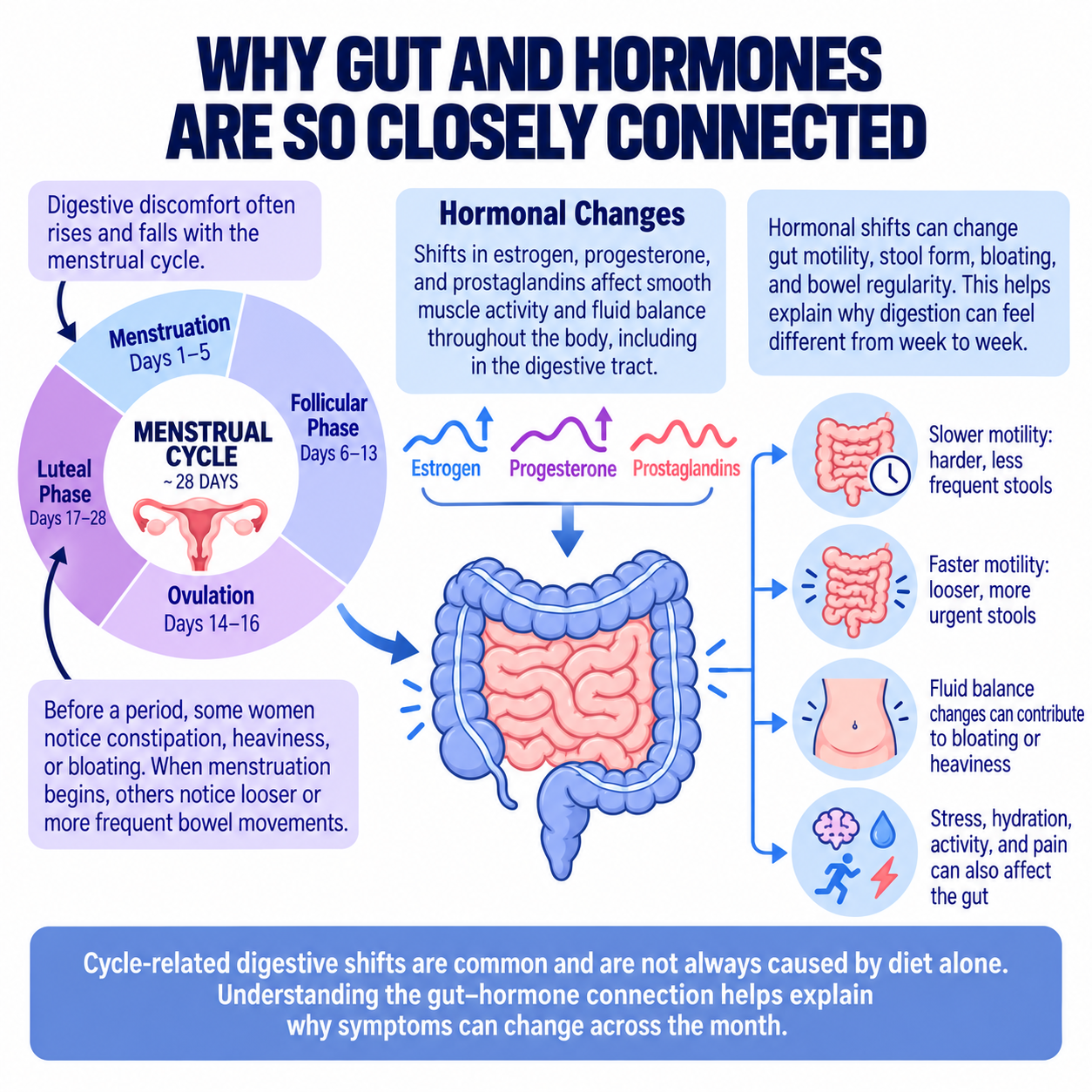
Hormonal shifts across the menstrual cycle directly influence gut motility, mood, and energy. As oestrogen and progesterone rise and fall, bowel rhythm, stool form, and digestive comfort can shift alongside them, with many women noticing slower digestion and bloating in the luteal phase, or looser, more frequent stools around menstruation. Understanding this cycle-gut connection is the first step toward finding gentle, consistent support, which is where whole-fruit ingredients like green kiwifruit come in.
What Is Actazin®?
Actazin® is a clean label, whole‑fruit powder made from 100 percent New Zealand green kiwifruit (Actinidia deliciosa var. Hayward). It naturally contains fibre, polyphenols, vitamin C, and the kiwifruit enzyme actinidin, which work together to support digestion in a way that feels gentle and food‑like rather than harsh or stimulating.
Actazin® helps support normal bowel function by promoting regularity and improving stool consistency. This is especially relevant for women whose digestion slows in the luteal phase or becomes unpredictable at different points of the menstrual cycle. Its fibres have strong water‑holding and swelling properties, which help support stool bulk and bowel movement comfort.
Unlike harsh laxatives, Actazin® is suited to daily use as part of a routine. It supports the body’s natural digestive rhythm, making it a practical option for women seeking steady gut support throughout the month.
Why Gut and Hormones Are So Closely Connected
Hormones do not only affect mood, skin, and energy; they also shape how digestion feels from week to week. Across a typical menstrual cycle, shifts in estrogen, progesterone, and prostaglandins can change gut motility, stool form, bloating, and bowel regularity. These hormonal changes help explain why many women notice constipation, heaviness, or bloating at some points in the month and looser or more frequent bowel movements at others.
Understanding this pattern helps explain why digestive discomfort often seems to rise and fall with the menstrual cycle.
The menstrual cycle is driven by changes in estrogen, progesterone, and other hormones that prepare the body for a possible pregnancy. These hormones affect smooth muscle activity and fluid balance throughout the body, including in the digestive tract. As a result, the speed at which food and waste move through the intestines can change across the month.
When gut motility slows, stool stays in the colon for longer and more water is absorbed, making bowel movements harder and less frequent. When motility speeds up, stools may become looser and more urgent. This is why many women feel constipated before their period, then notice looser stools or increased bowel activity when menstruation begins.
These cycle-related digestive shifts are common and do not always reflect a problem with diet alone. Hormones, stress, activity levels, hydration, and pain can all affect how the gut behaves at different times of the month.
Cycle-Related Digestive Symptoms
Many women notice repeating digestive patterns across the menstrual cycle. These often include:
• Constipation and abdominal heaviness in the late luteal phase
• Bloating before menstruation and, for some, around ovulation
• A temporary reset in bowel habits after menstruation begins
• Looser or more frequent bowel movements during the first days of bleeding
Recognising these patterns can make digestive symptoms feel more predictable and easier to manage. It also helps women build routines that support the gut according to each phase of the cycle rather than taking the same approach every day of the month.
The Four Phases of the Cycle and the Gut
Each phase of the menstrual cycle can affect digestion in a slightly different way. Understanding these shifts makes it easier to anticipate symptoms and support bowel regularity more effectively.
Menstruation: Cramps, Prostaglandins, and Stool Changes
Menstruation is the bleeding phase, when the uterine lining is shed. Prostaglandins are released to help the uterus contract, but they can also affect the bowel. This is why some women experience cramping, looser stools, or more frequent bowel movements during the first few days of their period.
Others remain constipated during menstruation, especially if they are in pain, less active, more stressed, or using certain pain medicines. In these situations, digestion is influenced by a combination of hormones and lifestyle factors rather than food alone.
Follicular Phase: A Reset for Digestion
The follicular phase follows menstruation and continues until ovulation. Estrogen gradually rises, and many women notice improved energy and more stable digestive patterns during this time. Bowel movements may feel more regular, bloating may reduce, and the gut often feels more predictable.
This phase can be a useful time to strengthen habits that support bowel regularity throughout the month. Helpful habits include:
- Regular mealtimes
- Steady intake of fibre from fruits, vegetables, whole grains, and legumes
- Daily movement such as walking
- Consistent use of green kiwifruit-based digestive support such as Actazin®
Ovulation: Brief Bloating and Sensitivity
Ovulation occurs mid-cycle, when a mature egg is released. Hormone levels shift again, and some women experience short-lived bloating, abdominal fullness, or digestive sensitivity.
These symptoms may be linked to hormonal fluctuations, fluid retention, and changes in gut sensitivity, and eating patterns rather than a major change in bowel motility. Eating slowly, staying hydrated, and avoiding very rich or salty meals may help reduce discomfort during this phase.
Luteal Phase: Progesterone, Fluid Retention, and Constipation
The luteal phase runs from ovulation until the next period begins. Progesterone is higher during this time and can relax smooth muscle, including the muscles of the digestive tract. For many women, this is when bowel movements slow, stools become harder, and bloating becomes more noticeable.
Typical luteal-phase digestive symptoms include:
• Fewer bowel movements or a feeling of incomplete emptying
• Harder, drier stools
• Abdominal heaviness and bloating
• Overlap with PMS symptoms such as cravings, mood changes, and poor sleep
This phase is often when women need the most digestive support. Gentle approaches that promote regularity without cramping or urgency are especially valuable here.
Cycle-Syncing Your Gut Routine
Cycle syncing means matching food, movement, and digestive support to the different phases of the menstrual cycle. For digestion, this approach may help women antgicipate and respond more effectively to the times when they are most likely to feel constipated, bloated, or sensitive.
A simple routine may include:
• During menstruation, choosing warm and easy-to-digest meals, drinking enough fluids, and using gentle movement such as walking or stretching
• During the follicular phase, reinforcing daily habits such as regular meals, fibre intake, walking, and consistent use of digestive support ingredients, like Actazin®.
• Around ovulation, favouring smaller meals, slower eating, and steady hydration if bloating tends to flare
• During the luteal phase, prioritising hydration, spreading fibre intake across the day, and maintaining consistent digestive support if constipation is common before menstruation
These habits help reduce extremes in bowel function and make digestion feel more manageable across the month.

Tracking Your Own Pattern
Every woman’s cycle is different, and digestive symptoms do not appear in exactly the same way for everyone. Tracking bowel movements, stool form, bloating, and cycle day over two or three months can reveal useful patterns.
This makes it easier to identify whether the main issue is constipation, bloating, urgency, or a combination of symptoms. It also helps women tailor digestive support more accurately to the phases when they need it most.
When to Seek Medical Advice
Cycle-related digestive changes are common, but they should not be used to explain away warning signs. Medical advice should be sought promptly if symptoms include:
- Blood in the stool or black, tarry stool
- Unexplained weight loss
- Persistent vomiting or severe nausea
- Fever and intense abdominal pain
- A sudden and sustained change in bowel habits that is very different from the usual pattern
These symptoms require professional assessment and are not suitable for self-management with foods or supplements alone.
Supporting Digestive Health Throughout the Month
Women’s menstrual cycles and digestive comfort are closely linked. Hormonal changes can slow or speed gut motility, influence stool form, and change how bloated or heavy the abdomen feels. These shifts are especially common in the late luteal phase and at the start of menstruation.
Actazin® offers a green kiwifruit-based way to support normal bowel function by promoting regularity, improving stool form, and supporting digestive comfort in a gentle everyday format. Combined with hydration, fibre, daily movement, and awareness of cycle-related patterns, it can form part of a practical routine for supporting gut comfort throughout every stage of the month.
Frequently Asked Questions
What is Actazin® and how does it support digestion during women’s cycles?
Actazin® is a digestive health ingredient made from New Zealand green kiwifruit. It supports bowel regularity, stool form, and digestive comfort, which can be especially helpful for women who experience constipation, bloating, or irregular bowel habits at different points in their menstrual cycle.
Can Actazin® help with constipation before or during a period?
Many women experience constipation before their period, especially during the luteal phase when progesterone levels are higher. Actazin® provides gentle digestive support by helping promote regular bowel movements and improving stool consistency, making it a useful option for women who notice constipation around their cycle.
Why does the menstrual cycle affect constipation and bloating?
Hormonal changes across the menstrual cycle can influence how quickly food and waste move through the digestive tract. This is why some women feel constipated before menstruation, while others experience bloating, cramping, or looser stools once their period begins.
Is green kiwifruit good for women’s gut health?
Green kiwifruit is well known for supporting digestive health because it naturally contains fibre and the enzyme actinidin. As a concentrated green kiwifruit powder, Actazin® offers these digestive benefits in a convenient format that supports gut comfort, bowel regularity, and everyday digestive balance.
How can women support digestion naturally throughout the menstrual cycle?
Women can support digestion throughout the month by staying hydrated, eating fibre-rich foods, moving daily, and tracking digestive changes across their cycle. Adding a gentle green kiwifruit ingredient like Actazin® to a daily routine may also help support regularity and digestive comfort during times when constipation or bloating tend to flare.
Actazin® offers a green kiwifruit-based way to support normal bowel function by promoting regularity, improving stool form, and supporting digestive comfort in a gentle everyday format. Combined with hydration, fibre, daily movement, and awareness of cycle-related patterns, it can form part of a practical routine for supporting gut comfort throughout every stage of the month.