

Can constipation cause nausea?
Constipation can, indeed, lead to nausea for a significant number of people, though many overlook the connection until they experience both symptoms in tandem. When waste sits too long in the colon, pressure builds on the digestive system and toxins begin to accumulate- factors that reliably generate feelings of queasiness.
Understanding the Link Between Constipation and Nausea
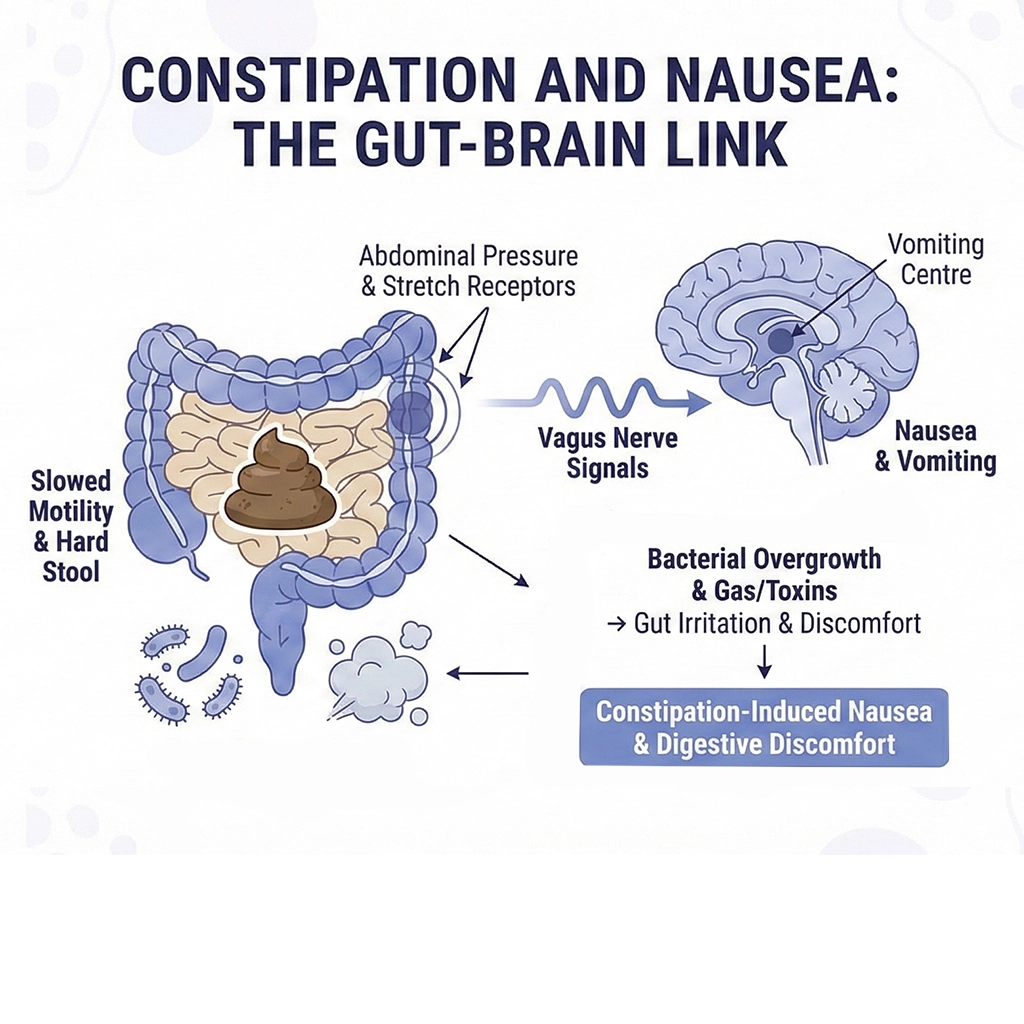
The main mechanism behind constipation-induced nausea lies in the slowing of gastrointestinal motility. When stool lingers in the colon, it dries out and becomes harder to pass. This causes pressure within the abdomen, overstimulates stretch receptors, and can send distress signals via the vagus nerve to the brain’s vomiting centre, resulting in nausea and, in extreme cases, vomiting. Additionally, the prolonged presence of stool fosters an environment where pathogenic bacteria can flourish, producing gases (such as methane and hydrogen sulphide) and other toxins that irritate the gut lining and further contribute to nausea and digestive discomfort.
Recognising Constipation-Related Nausea
People typically associate constipation with symptoms like infrequent bowel movements, straining, bloating or abdominal pain. However, the sensation of nausea: stomach discomfort, reduced appetite, or increased saliva production; often signals that the digestive bottleneck has started to affect the upper gastrointestinal tract. In severe cases, particularly if constipation leads to complications such as faecal impaction or bowel obstruction, nausea may be joined by vomiting, fever, or unexplained weight loss, which warrant urgent medical attention.
How Constipation Causes Nausea
Natural Ways to Relieve and Prevent Constipation-Related Nausea
Addressing constipation is the best way to reduce or eliminate related nausea. Lifestyle and dietary interventions are proven effective and align perfectly with a holistic approach to wellbeing:


The Gentle Strength of Kiwifruit
Among natural approaches, green kiwifruit stands apart for supporting regular digestive comfort. Clinical studies demonstrate that consuming green kiwifruit regularly can significantly improve bowel movements and alleviate associated gastrointestinal discomfort including symptoms like nausea, abdominal bloating, and discomfort in people with chronic or functional constipation. Kiwifruit’s unique blend of soluble and insoluble fibre, together with actinidin (the protein-digesting enzyme found specifically in kiwifruit) enhances motility and digestive efficiency while being naturally gentle on the gut. Kiwi-derived supplements such as Actazin® have demonstrated benefits in clinical trials, offering reliable improvement in stool form and frequency, as well as a marked enhancement in overall gut comfort for those with occasional constipation.
For those needing additional support, prunes, apples, pears, and psyllium husk are well-established digestive aids, though consumers report lower satisfaction when consuming these foods alone compared to kiwifruit. But when used together, they can help complement and enhance the benefits of kiwifruit.
When to Seek Professional Help
Persistent constipation and nausea may signal underlying issues. If these symptoms are accompanied by fever, severe pain, vomiting, blood in stool, or significant weight loss, medical care should be sought immediately. For most, however, rebalancing the diet, increasing water intake, and exploring gentle fruit sources like kiwifruit provide safe and effective solutions.
Final Thoughts
The connection between constipation and nausea is rooted in both pressure and toxin buildup inside the gut. Tackling constipation with improvements in hydration, movement, and fibre intake unlocks relief and long-term digestive harmony. Adding green kiwifruit (or its concentrated forms such as Actazin) offers a natural, research-backed route to comfort and regularity, blending the best of science and New Zealand’s fruit-growing heritage. For gentle, lasting digestive wellness, the answer may indeed lie waiting in the fruit bowl.